


If you’ve ever watched a Wire EDM (Electrical Discharge Machining) machine run, you might’ve noticed that the tiny brass or zinc wire zips through the guides, grooved pulleys, and winding parts at a steady, hyper-precise pace—no snags, no slips, no random kinks that would ruin a $1000 tooling job. As someone who’s been in the Wire EDM guide wheel and component game for years, I can’t overstate how often I get asked: why does that groove size and shape on the main guide wheel matter so much for wire movement? It’s not just a design quirk—it’s the difference between a smooth, consistent cut and a machine that’s constantly throwing errors, wasting wire, or even breaking mid-job. Let’s break this down like we’re geeking out over what actually makes these parts work, no stuffy engineering jargon (okay, maybe a little, but I’ll keep it casual).
First, let’s set the stage: the main guide wheel’s groove is the tiny, curved channel that holds the EDM wire as it travels from the winding drum through the cutting zone and back. If the groove was just a flat notch, wire would slip, vibrate, or jump out entirely—so its size and shape are calibrated for two big things: keeping the wire centered and matching the wire’s dimensions exactly. Let’s start with size, because that’s the most straightforward mistake I see new EDM operators or even replacement part buyers make.
A lot of folks just grab a guide wheel that fits their machine’s model, but they don’t pay attention to the groove’s inner diameter or width. Let’s say you’re running a 0.2mm brass wire—if your guide wheel’s groove is 0.15mm wide, the wire’s going to get pinched, right? No room to flex as it moves around the wheel, and that pinch point will create friction, generate heat, and even cause the wire to stretch or break. On the flip side, if the groove is 0.3mm wide for that same 0.2mm wire, there’s too much play. The wire will wobble side to side as it spins through the cutting zone, leading to uneven cuts and dull surface finishes. I can’t tell you how many times a shop’s contacted me saying their wire is jumping out of the guide wheel, and it’s almost always because they used a groove size that’s off by just a few tenths of a millimeter. It’s not a part defect—it’s a size mismatch that’s super easy to avoid when you know what to look for.
Shape is where things get way more interesting, and where I’ve seen some terrible designs (or old, worn-out shapes) cause the most headaches. Most main guide wheel grooves aren’t straight V-shapes—they’re what’s called a “U-groove” or a “rounded V-groove” with specific corner radii. Here’s the science: when the wire wraps around the guide wheel, it’s under constant tension (usually around 10 to 20 grams, depending on the wire type). If the groove has sharp, square corners, that tension creates a stress point on the wire where it bends around the corner, and over time, that stress causes micro-fractures—leading to wire breakage mid-cut. That’s a big deal because a wire break in the middle of a 3D tooling job can cost you hours of downtime, not to mention the cost of the wire itself. The rounded shape of a properly machined groove distributes that tension evenly across the wire’s entire cross-section, so there’s no weak point. I once had a shop tell me their machine was breaking wire every 15 minutes, and after swapping out their generic guide wheels for ones with precision-machined rounded grooves, they only had one break in 8 hours of running a 20-tool job. That’s not a fluke—it’s how shape directly impacts movement.
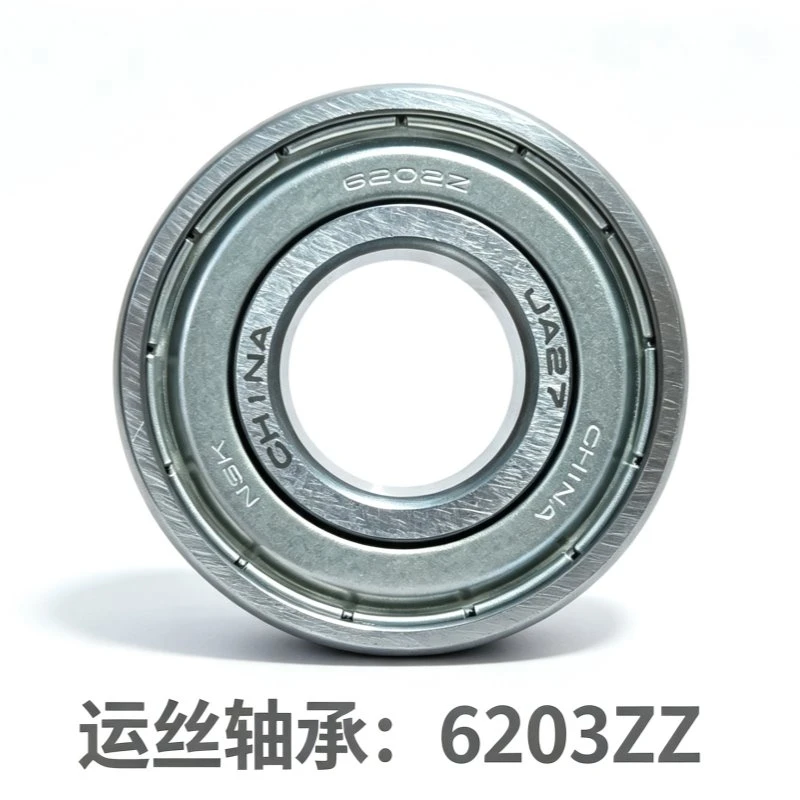
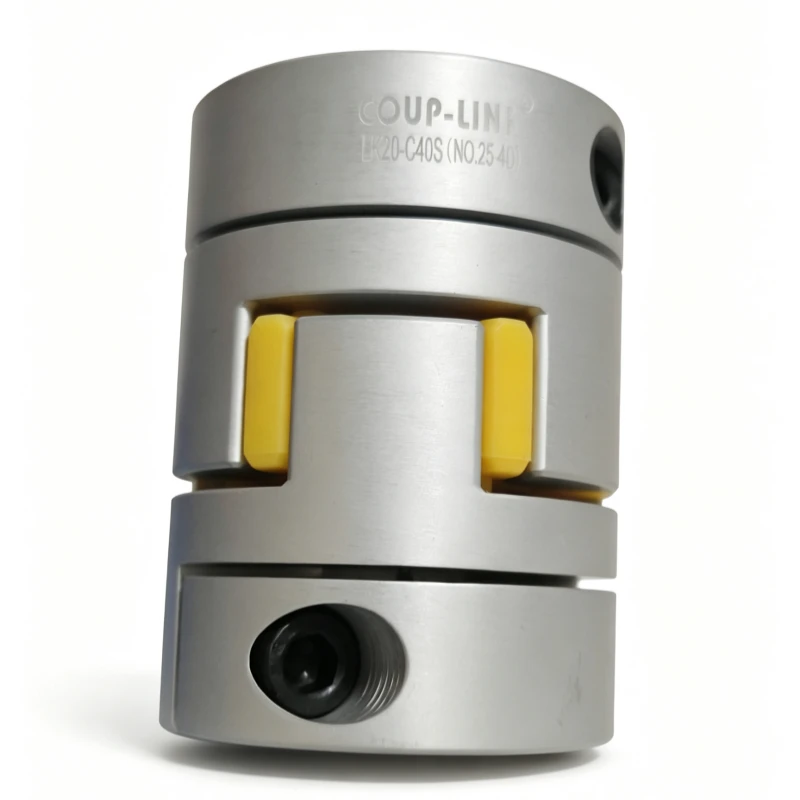
Wait, but groove shape doesn’t just affect wire stress— it also affects how the wire tracks through the rest of the EDM system, right? The guide wheel is connected to other parts that keep the wire moving smoothly, like the winding drum. If your guide wheel’s groove is too deep or too shallow, it doesn’t align with the winding drum’s path, so the wire can rub against other components. I’ve had customers call me confused about wire wear on the winding drum, only to realize their guide wheel’s groove was off by 0.2mm, so the wire was shifting sideways every time it wrapped around the drum. That’s why matching the groove size and shape isn’t just about the guide wheel—it’s about compatibility with the whole EDM circuit, from the winding drum to the servo parts that control wire tension. Speaking of those parts, if you ever need a replacement for that winding drum side, you can check out our Wire Drum Coupling for EDM—it’s designed to sync the guide wheel and drum movement so there’s no misalignment stress on the wire. Another key part that ties into this is the EDM Wire Winding Drum Bearing, because a worn bearing on the drum can throw off the consistent spin that your guide wheel’s groove needs to keep wire on track.
Now, let’s get into the wear factor, which is something no one talks about enough. Over time, the groove on the guide wheel can wear down—either from constant wire friction or from small debris (like EDM slurry or metal shavings) getting stuck in the channel. When that happens, the shape of the groove changes. A rounded U-groove can wear into a lopsided, uneven channel, which makes the wire wobble more as it moves, leading to inconsistent tension, more vibration, and even worse cuts. I’ve seen worn grooves that were so uneven, the wire would jump up and down in the groove, leaving little notches on the cut part that the customer thought was a machine error, not a worn guide wheel. The good news is that when you machine a guide wheel with a proper groove shape (precision ground to within 0.005mm of the specified radius), wear is minimal, and the wire movement stays consistent for thousands of hours.
Another thing I get asked all the time: does this apply to all types of EDM wire? The short answer is yes, but with tiny adjustments. Zinc-coated wire (which is more common for heavy cuts) is thicker and stiffer, so it needs a slightly wider groove with a larger corner radius to prevent stress. Brass wire is thinner and more flexible, so a slightly narrower groove works, but you still need that rounded shape to avoid pinching. Then there’s EDM wire with special coatings, like those used for fine, high-precision cuts—those are super delicate, so even a tiny groove size mismatch can break them immediately. I’ve had a customer use a generic guide wheel for their 0.1mm coated wire, and it broke every time they tried to run a 0.5mm cut. Swapping to a guide wheel with a 0.105mm groove and a 0.05mm corner radius fixed the problem right away. That’s how specific groove size and shape needs to be for consistent wire movement.
Wait, let’s not forget about the environment inside the EDM machine, because that affects how the wire interacts with the groove. EDM uses deionized water to cool the wire, flush out debris, and insulate the cutting area. If the deionization isn’t working right, the water gets dirty, and debris can get stuck in the guide wheel’s groove, which not only changes the effective size of the channel but also adds extra friction. That’s why a good water pump is key—our Water Pump LDPB2-18 is designed to keep the EDM tank clean, so debris doesn’t build up in the groove and mess with wire movement. Also, if your water tank is too small, like an old 50L tank, it can’t circulate enough water, leading to overheating that makes the wire expand, which changes how it sits in the groove. Our Water Tank 80L is a direct upgrade that keeps the water flow consistent, so your groove size and shape work exactly as designed.
Now, let’s tie this all together to the real-world impact for shops. When you have a guide wheel with a properly sized and shaped groove: first, wire tension stays consistent, so cuts are accurate to within 0.001mm (which is why EDM is used for medical parts, aerospace tools, and tiny electronics). Second, wire breakage goes down— we’ve seen shops cut wire waste by up to 30% just by switching to precision guide wheels. Third, machine downtime drops because you’re not troubleshooting wire snags or redoing bad cuts. And all of that starts with a tiny, often overlooked part: the groove on the main guide wheel.
I’ll be honest, a lot of EDM component suppliers cut corners on machining guide wheel grooves to save money. They’ll use a sharp V-shape, or a groove that’s either too wide or too narrow, because it’s faster to machine. But that’s a false economy—those corners lead to more wire breakage, more downtime, more wasted parts, which costs shops way more in the long run. We machine every one of our main guide wheel grooves with a 5-axis CNC grinder, checking every radius and width with a digital caliper to make sure it’s within tolerance. That attention to detail is what makes the wire movement smooth, consistent, and reliable.
If you’re reading this and you’ve been dealing with wire snags, inconsistent cuts, or excessive wire breakage, the first thing to check isn’t your machine’s main settings—it’s the groove on your guide wheel. Is it worn? Is the size a match for your wire? Is the shape rounded, not sharp? If you’re not sure, feel free to reach out—we’re happy to help you figure out what guide wheel and compatible components you need, whether that’s the Wire Drum Coupling for EDM to sync your guide wheel and drum, the EDM Servo Coupling for tighter tension control, or any of the other parts we carry. We don’t do pushy sales—we do reliable parts that make your EDM runs smoother, so you can focus on getting the job done instead of troubleshooting.
References
- EDM Handbook, Volume 2: Wire EDM Component Design and Performance, Industrial Press, 2021
- Machining Precision Guide Wheels for EDM Applications, Journal of Manufacturing Engineering, 2020
- Wire Tension and Groove Geometry in EDM Systems, International Journal of Advanced Manufacturing Technology, 2019