


As a supplier of Wire EDM main guide wheels, I’ve spent countless hours talking with machinists, maintenance technicians, and shop managers about the nuances of operating these critical components. The main guide wheel is one of the most hardworking parts in a wire EDM machine—its job is to guide the brass or molybdenum wire along a precise path, keep tension consistent, and ensure cuts are accurate. But with that high workload comes real risks if safety protocols are overlooked. Over the years, I’ve seen near-misses, premature component failures, and even small injuries that all traced back to a single misstep when handling or maintaining the main guide wheel. Today, I want to share the key safety precautions we’ve refined from on-site feedback, shop inspections, and years of part development.
First, let’s start with the most basic (and often skipped) step before any hands-on work: locking out and tagging out (LOTO) the machine. Wire EDM machines run on high-voltage power (usually 200V or 480V) and have moving components that can activate unexpectedly even when set to “idle.” When a technician is adjusting, replacing, or inspecting the main guide wheel, they must physically disconnect the machine from its power source, lock the disconnect switch with their personal padlock, and tag it with their name to prevent anyone else from turning it on. I can’t stress this enough—last year, a customer of ours skipped LOTO for a guide wheel replacement and suffered a laceration when the wire feed motor engaged unexpectedly while they reached into the work area. It’s not just power: many wire EDM systems rely on a circulating dielectric fluid, and the main guide wheel is exposed to that fluid, which can be hot if the pump is running. Even with power off, the fluid lines can still have pressure, so LOTO also applies to hydraulic or cooling systems. For a more complete machine safety setup, pairing your guide wheel work with regular checks on supporting parts like the Water Pump LDPB1-22 makes sense—this pump circulates the dielectric, and a faulty pump can lead to fluid buildup around the guide wheel, increasing slip risks or electrical shorts.
Next, handling the main guide wheel itself requires caution, even when it’s new or removed from the machine. These guide wheels are precision-machined from hardened steel or ceramic, with very tight tolerances (often within a few thousandths of an inch). They also have sharp edges, especially on the hub where the wire wraps or the bore that mounts to the spindle. I’ve had technicians come to our parts desk with small cuts on their hands from not wearing cut-resistant gloves during installation. It’s not just about cuts: the bore on the guide wheel is sized to fit the machine’s spindle perfectly, and forcing a wheel that doesn’t match the spindle size (a common mistake when mixing parts from different manufacturers) can cause the wheel to seize mid-operation, leading to wire breakage and potential damage to the machine’s head. When installing a new guide wheel, always confirm it’s the exact model specified for your machine. Another detail: the bearing inside the guide wheel is sealed, but exposing it to debris (metal swarf, dielectric sediment) during installation can cause premature wear and increase vibration, which is a safety hazard because vibration can throw the wire off path, leading to poor cuts or even wire snapping with force. To avoid this, keep your installation workspace clean, and use a clean, lint-free cloth to wipe the wheel’s bore and spindle before mounting. Additionally, when securing the guide wheel to the spindle, use the correct EDM Locking Nut—using an off-sized nut or overtightening can crack the guide wheel’s hub, while undertightening can cause the wheel to wobble during operation. We’ve seen cracked guide wheel hubs send metal fragments flying when they failed, so following torque specifications is non-negotiable.
Maintenance and inspection are two areas where safety and performance go hand in hand, and they’re often where mistakes happen. The main guide wheel spins at high speeds (up to 10,000 RPM in some machines), so even a small imbalance or wear can lead to dangerous vibration. We recommend inspecting the guide wheel’s flatness and roundness every 100 operating hours, or whenever you notice wire breakage increases or cuts are inaccurate. To inspect, remove the wheel, clean it thoroughly, and check for signs of wear: grooves from the wire, cracks, or pitting on the surface. If you see a groove deeper than 0.001 inches, the wheel needs to be replaced—running a wheel with a worn groove can cause the wire to deflect, leading to inconsistent cuts and potential wire snags. Another maintenance step is checking the spindle that the guide wheel mounts to. A worn spindle can cause the wheel to move side to side, which not only affects cut accuracy but can also put extra stress on the wire, increasing the risk of it breaking and potentially injuring nearby personnel. For spindle and motor alignment, parts like the EDM Servo Coupling play a key role—this coupling connects the motor to the spindle, and a loose or damaged coupling can throw the entire alignment off, putting unnecessary strain on the guide wheel. Regular alignment checks (at least every 500 operating hours) paired with coupling inspections will prevent many safety hazards.

Dielectric fluid management around the main guide wheel is another critical safety point, especially in machines with submerged guide wheels. The dielectric fluid in wire EDM is an insulator, but if it’s contaminated with metal swarf or conductive debris, it can become a conductor, leading to electrical shorts that can damage the machine or cause shock. The main guide wheel sits in or near this fluid, so keeping the fluid clean is essential. Our customers often ask about fluid maintenance, and we always recommend pairing their machine with a properly sized Water Tank 130L — the larger tank allows for better filtration and sediment settling, reducing the amount of conductive debris that can reach the guide wheel. If debris builds up on the guide wheel’s surface, it can cause the wire to slip, leading to wire breakage. In some cases, slipping wire can arc back, causing a small explosion in the work area—this is not only a fire risk but can also damage the guide wheel and surrounding components. To prevent this, flush the guide wheel and surrounding area with filtered dielectric fluid regularly, and schedule full fluid changes every 3 to 6 months, depending on your operating volume. Fire safety is a separate but related concern: wire EDM machines can produce small sparks, and accumulated swarf or dielectric fluid residue around the guide wheel can ignite. Make sure the work area around the machine is free of flammable materials, and keep a Class D fire extinguisher (for metal fires) nearby.
Finally, training and protocol enforcement can’t be overlooked. Many safety incidents happen because technicians haven’t been properly trained on the specific machine’s guide wheel procedures. As a guide wheel supplier, we provide detailed installation and maintenance instructions with every part, but it’s up to each shop to make sure their team follows them. For new technicians, shadowing experienced staff during guide wheel replacement and inspection is key—hands-on training helps them understand the subtle risks, like how to spot a cracked wheel or how to properly torque the locking nut. We also recommend that shops hold quarterly safety meetings specific to wire EDM components, with a focus on the main guide wheel. This can include reviewing near-misses from the shop, updating protocols based on new part designs, and ensuring everyone is aware of the latest safety guidelines. For example, many newer EDM machines have automatic guide wheel wear sensors, but these sensors aren’t infallible—technicians still need to perform manual checks to confirm they’re working, as relying solely on sensors can lead to missed wear that causes safety issues.
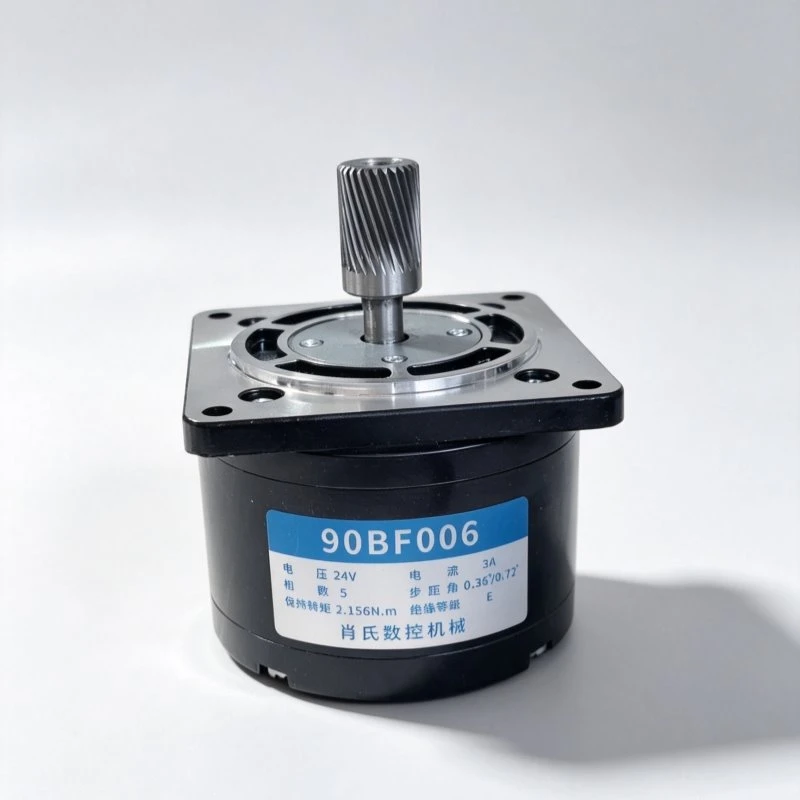
At the end of the day, the main guide wheel is a small but central part of your wire EDM machine. Its performance and safety depend on how you handle, maintain, and protect it every day. We’ve built our business on providing high-quality guide wheels and supporting parts like the EDM Locking Nut, Water Pump LDPB1-22, Water Tank 130L, EDM Stepper Motor, and EDM Servo Coupling to make those safety steps easier. If you have questions about guide wheel installation, maintenance, or need to source compatible parts for your machine, we’re here to help. Reach out to our team to discuss your specific Wire EDM needs and ensure your operation runs safely and efficiently.
References
- American Society of Mechanical Engineers. (2020). Safety Standards for Electrical Discharge Machining (EDM) Equipment. ASME B125.1-2020.
- Wire EDM Manufacturers Association. (2021). Maintenance Protocols for Precision EDM Components. WEMA Technical Bulletin 412.
- Occupational Safety and Health Administration (OSHA). (2022). Lockout/Tagout Procedures for Industrial Machine Tools. OSHA 3067-02R.
- International Organization for Standardization (ISO). (2019). Precision Requirements for EDM Guide Wheels. ISO 9001:2015 Annex A.
- EDM Parts Industry Safety and Performance Guidelines. (2023). Global Wire EDM Suppliers Association Report 2023.