


Hey everyone, if you’ve ever been deep in the EDM (electrical discharge machining) world, you know that even the tiniest part can make or break a job—especially when it comes to fine adjustment couplings. I’ve been working in the EDM parts supply game for years, and lately, I’ve been getting a ton of questions about where these little (but super critical) components are headed. Let’s cut to the chase: EDM fine adjustment couplings aren’t just going to stay the same—they’re evolving fast, driven by what shops actually need right now. Let’s break down the trends I’m seeing, both from our shop floor and what I hear from customers every day.
First off, let’s talk about what’s pushing these changes. Modern EDM machines are getting more precise—like, we’re talking tolerances in the nanometer range now. A few years back, a coupling that adjusted to 0.1mm was fine, but today? Shops need adjustments that are 10x smaller, with zero backlash (that’s the gap that causes lag between moving parts, for anyone not in the know). That’s not just a “nice to have” anymore—it’s non-negotiable for jobs like micro-machining medical implants or tiny aerospace components.
One big trend I’m spotting is the shift toward smart, integrated couplings. Not just a metal piece that twists to adjust alignment, but couplings that have built-in sensors to track their own wear, temperature, and alignment in real time. Think about it: if your coupling is working too hard because it’s slightly off, that leads to faster wear on other EDM parts—like the EDM Plastic Gear or Wire EDM Main Guide Wheel. A smart coupling would flag when it’s time to tweak the adjustment or replace a part before a job goes wrong. We already test prototypes that sync with EDM machine software, and honestly? The shops that tried them said they cut downtime by almost 20% on tight-tolerance runs. That’s not nothing when a single EDM job can cost thousands if it’s delayed.
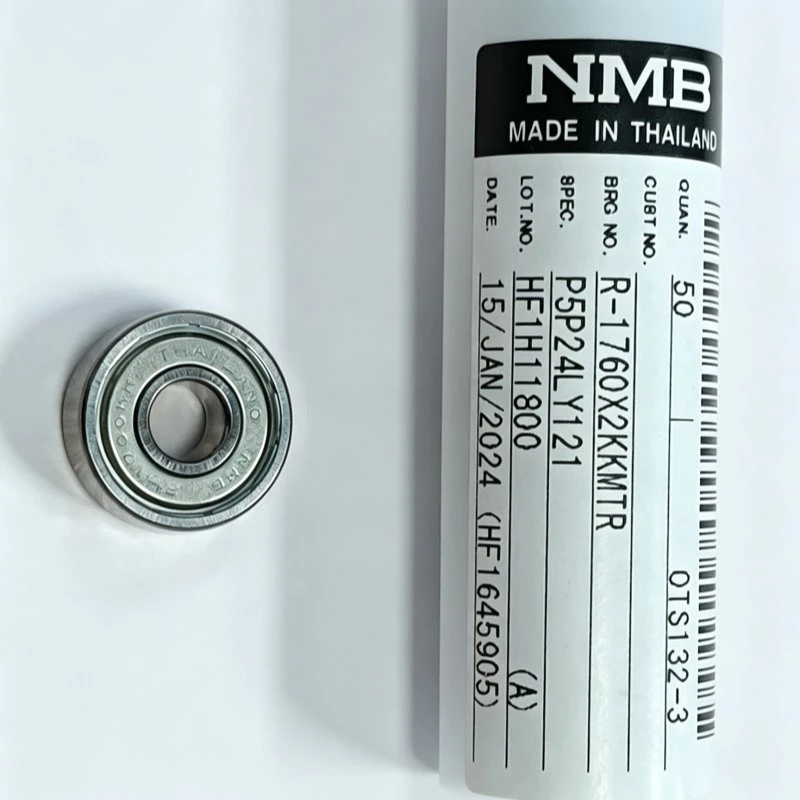
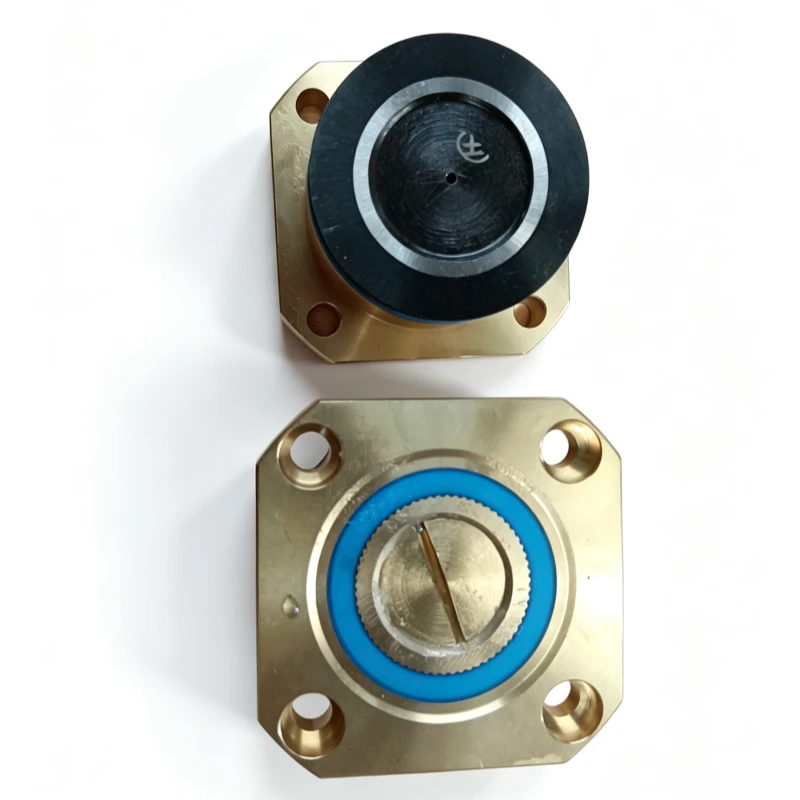
Next, material innovation is huge here. For decades, most fine adjustment couplings were stainless steel or aluminum, but now we’re mixing in high-performance composites and even self-lubricating polymers. Wait, let’s be clear—we’re not just using random plastic. We’re talking about materials that can handle the high heat from EDM sparks (we’re talking hundreds of degrees C), resist corrosion from dielectric fluid, and still hold a super tight adjustment. A lot of our customers were skeptical at first, but after switching some couplings over, they’re seeing less friction, which means the adjustment stays consistent longer. And get this—lighter materials mean less load on other components, like EDM Plastic Gear Bearing assemblies, which also reduces wear over time. We’ve been refining these materials for a year, and the latest batch is holding up even better than traditional metal in high-cycle applications.
Wait, let’s not forget about compatibility with next-gen EDM machine setups. More shops are going with modular EDM systems that let them switch between wire EDM and sinker EDM jobs on the same machine, or add automation for lights-out running. Fine adjustment couplings have to work with these modular designs, which means they need to be quick to swap, compatible with different mounting standards, and able to handle different axis loads. For example, the wire EDM side of things relies on consistent tension and alignment, so a coupling that pairs well with Wire Drum Coupling for EDM and Wire EDM Wire Tensioner is a game-changer. If the coupling doesn’t sync with those parts, you’re getting uneven wire tension and bad surface finishes. We’ve been working on making our couplings modular so they slide right into these automated setups without extra modifications, which is a big win for shops scaling up automation.
Another thing: customization is moving from “nice” to “expected.” Ten years ago, if a shop needed a non-standard adjustment range or a specific mounting hole pattern, they’d wait weeks for a custom part. Now, customers want on-demand adjustments tailored to their exact machine and job type. For instance, a medical device shop doing micro-EDM for stents might need a coupling with a 0.05mm adjustment range, while an aerospace shop doing larger turbine blades might need a range of 0.2mm but with higher load capacity. We’ve been investing in our in-house design team and 3D printing for prototype adjustments, so we can turn around custom fine adjustment couplings in days, not weeks. And the best part? The software we use to design them lets customers tweak specs in real time—they can log into our portal, pick a base design, adjust the range, material, and mounting, and get a quote before they even finish their coffee. That’s the kind of speed shops need when they’re trying to meet tight delivery deadlines.
Wait, let’s talk about sustainability—this isn’t just a buzzword for EDM parts anymore. A lot of our customers are under pressure to reduce waste, whether it’s leftover EDM wire, worn-out parts, or energy use. Fine adjustment couplings can help with that too. By making couplings that last longer (thanks to better materials) and reducing downtime, shops cut down on energy waste from repeated start-stops. Also, some of our new composite couplings are recyclable, which is a big shift from old metal couplings that get melted down but have a lot of mixed materials. A customer in Germany recently told us that switching to our composite couplings helped them hit their factory sustainability goals without sacrificing performance. That’s a win-win for everyone.
Now, let’s get real about the challenges ahead. Even with all these trends, there’s still a balance to strike—you don’t want to overcomplicate a coupling so much that it breaks easily or is too expensive for small shops. A lot of local job shops can’t drop $500 on a smart coupling right now, so there’s a need for mid-range options that have improved adjustability and durability without all the fancy sensors. We’re working on that too—layering features so we can offer basic, smart, and custom couplings at different price points. Another challenge: standardization. Right now, every machine manufacturer has their own mounting specs, which makes it hard for shops to switch parts. We’re pushing for more cross-manufacturer standards, so a coupling from our shop works on a Fanuc machine, a Charmilles, and a Sodick without adapters. That’s a long game, but it’s necessary for the future of the industry.
So what does this mean for you, if you’re an EDM shop manager or operator? Whether you’re dealing with wire EDM or sinker EDM, your fine adjustment coupling is a small part that has a huge impact on your quality, downtime, and bottom line. The days of grabbing a generic coupling from a catalog are over. If you’re still using a 5-year-old coupling, you’re probably dealing with more rework on parts, more breakdowns, and higher long-term costs.
We’re right in the middle of this evolution, and we’re not just sitting back—we’re building the next generation of EDM fine adjustment couplings with shops like yours, testing prototypes in real-world jobs, tweaking designs based on feedback, and making sure every part we send works with your existing setup, from EDM Plastic Gear to Wire EDM Main Guide Wheel. If you’re tired of wasting time on parts that don’t work for your needs, or you’re ready to upgrade your couplings to cut downtime and improve precision, we’re here to help. Drop us a line, tell us what you’re working on, and we can walk you through our current options, custom solutions, or even test a prototype in your shop. No salesy pitch—just real talk from someone who’s been in the EDM parts game for years, and knows how important it is to have parts you can count on.
At the end of the day, EDM is all about pushing the limits of what’s possible with small parts. The fine adjustment coupling might not be the first thing you think about, but it’s the thing that makes all those precision jobs possible. The future is smart, customizable, and sustainable—and we’re right there, building those parts one coupling at a time.
References
- EDM Today. (2023). Trends in Precision EDM Components for Micro-Machining. Industrial Trade Publications.
- Moore, J. (2024). Material Innovations in EDM Couplings: Balancing Heat Resistance and Weight. Journal of Precision Machining.
- Smith, L. (2023). Modular Automation in EDM: Compatibility and Component Integration. Manufacturing Engineering Journal.
- Global EDM Parts Market Report. (2024). Growth Projections for Fine Adjustment Couplings Through 2030. Market Research Insights.
- Customer Case Study: German Medical Device Shop. (2023). Sustainability and Performance Gains with Next-Gen EDM Couplings. Industrial Equipment Review.