


If you’ve spent any time working with Wire Electrical Discharge Machining (Wire EDM), you know that even the smallest part of the system can make or break a job. From the wire guides that keep the wire aligned to the filters that remove debris from the dielectric fluid, every component has a specific job. But one part that’s often overlooked—until it causes a costly short-circuit—is the conductive block. As a supplier of Wire EDM conductive blocks, I’ve seen firsthand how a well-designed conductive block isn’t just a static piece of metal; it’s a critical defense against the kind of electrical errors that can ruin parts, waste material, and shut down entire production runs. Let’s break down exactly what a conductive block does, why short-circuits happen in Wire EDM, and how this small component plays a huge role in keeping your process running smoothly.
First, let’s recap how Wire EDM works, because understanding the basics makes the conductive block’s role clearer. Wire EDM uses a thin, constantly moving brass, copper, or zinc-coated wire to erode material from a workpiece. The wire doesn’t touch the part—instead, it creates thousands of tiny electrical sparks between the wire and the workpiece, all submerged in a dielectric fluid (usually deionized water) that cools the area, flushes away debris, and insulates the circuit when sparks aren’t firing. The power supply sends a controlled voltage to the wire, which needs to reach the workpiece at a precise, steady rate. If that electrical connection is inconsistent or flawed, you get a short-circuit: when the wire accidentally touches the workpiece (or a stray path of debris creates an unintended electrical route), causing a sudden surge that can damage the wire, warp the part, or even blow out the power supply.
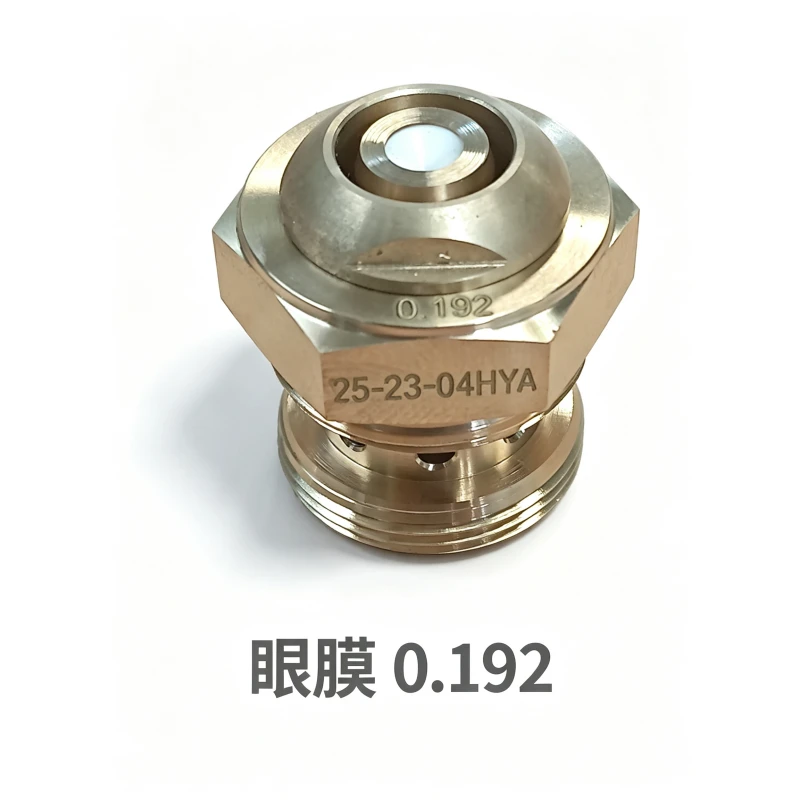
That’s where the conductive block comes in. Its primary job is to establish a reliable, low-resistance electrical connection between the EDM power supply and the moving wire. Wait—why not just clamp the wire directly? Because the wire is always in motion: it’s spooled from a supply reel, feeds through guides, and winds up on a take-up reel at a consistent rate. Any flex, friction, or buildup on the wire’s surface can create gaps in the electrical path if you don’t have a dedicated conductive component designed to make contact with the wire as it moves. A conductive block is typically made of a high-conductivity metal like oxygen-free copper or brass, machined to a precise shape that matches the wire’s diameter, so it makes full, steady contact along a small section of the moving wire.
Now, how does this prevent short-circuits? Let’s get into the science. Short-circuits in Wire EDM most often stem from two main issues: inconsistent electrical current delivery, and debris accumulation in the cutting zone. The conductive block solves both. First, consistent current: if the electrical path from the power supply to the wire is erratic, the spark timing gets thrown off. The EDM’s servo system (which controls the distance between the wire and workpiece) can’t adjust correctly if it’s getting faulty current data, leading the wire to get too close to the workpiece, or even touch it, triggering a short. A high-quality conductive block maintains a constant, low-resistance connection with the moving wire, so the power supply sends a steady voltage. This lets the servo coupling work as intended—adjusting the wire position in real time to keep the spark gap precise, preventing accidental contact. You might be familiar with the EDM Servo Coupling, another critical component that connects the servo motor to the wire feed system; the conductive block and servo coupling work in tandem to keep the entire system synchronized. Without a reliable conductive block, even a perfectly calibrated servo coupling can’t fix inconsistent current flow that leads to shorts.
Second, debris is a big enemy in Wire EDM. As the wire cuts through the workpiece, it erodes tiny chips of material that get washed away by the dielectric fluid. But if debris isn’t flushed out properly, it can get trapped between the wire and the workpiece, or between the wire and other components like the EDM Wire Guide Die. That debris is conductive—metal chips can carry electrical current where it’s not supposed to, creating unintended paths that cause shorts. The conductive block helps here too, because its contact with the wire is designed to be gentle enough to not scratch the wire, but firm enough to scrape away small debris that accumulates on the wire surface as it moves. That’s a key point: a worn or ill-fitting conductive block won’t do this. If the block’s surface is scratched, corroded, or misaligned, it won’t make full contact, and debris can build up between the wire and the block, breaking the electrical connection or creating a path for stray current. Regularly replacing or maintaining your conductive block is just as important as maintaining parts like the Water Pump LDPB1-22, which keeps dielectric fluid flowing to flush away bulk debris, or the EDM Filter 300 × 20 × 300, which catches finer debris in the fluid before it can reach the cutting zone.
I’ve seen too many shops cut corners on conductive blocks to save a few dollars, and the cost adds up fast. A short-circuit can break a wire mid-cut, wasting hours of work and expensive wire material. It can also damage the workpiece—if the spark surge is powerful enough, it can leave burrs, pitting, or uneven cuts that make the part unusable, forcing a rework or scrap. In some cases, repeated short-circuits can even damage the EDM machine’s power supply, leading to thousands of dollars in repair bills. Conversely, a good conductive block isn’t a one-size-fits-all part. It needs to be matched to your wire diameter, your specific Wire EDM machine model, and the type of material you’re cutting. For example, a conductive block used for cutting hard tool steel needs a different surface finish than one used for aluminum, because aluminum produces finer, stickier debris that clings to the wire more easily.
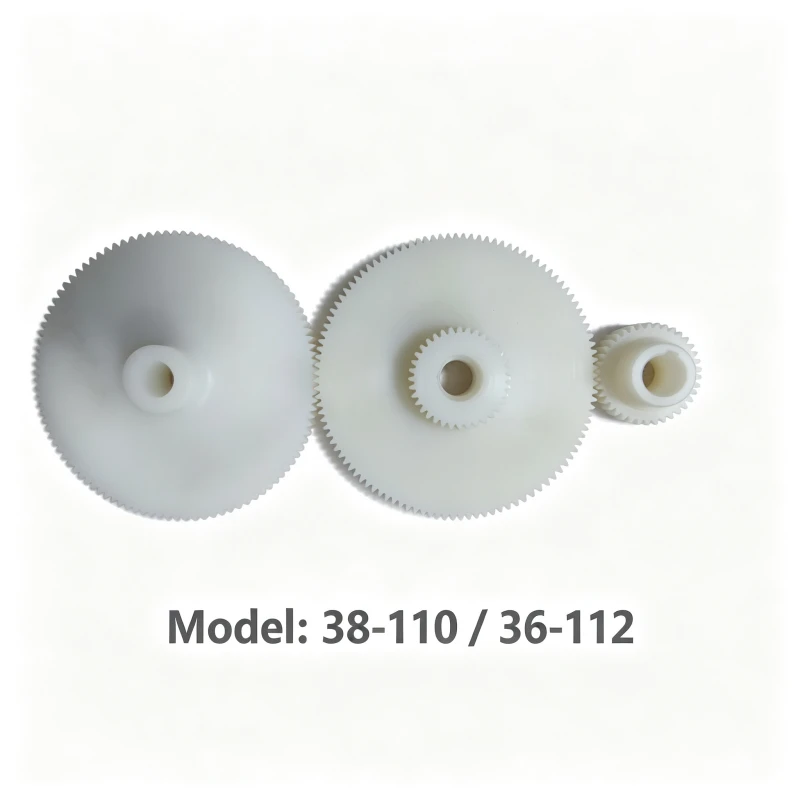
Another thing to consider is maintenance. Even the best conductive block will wear over time from friction with the moving wire, exposure to dielectric fluid, and buildup of metal debris. If you notice signs like inconsistent sparking, frequent short-circuit alarms, or uneven wire movement, it’s time to inspect your conductive block. Look for scratches, corrosion, or discoloration on the contact surface—these are signs that the block is no longer making proper contact. Many shops forget that parts like the EDM Plastic Gear, which drives the wire feed reels, or the wire guides, can also put extra strain on the wire, which in turn affects how well the conductive block performs. A misaligned wire guide can cause the wire to rub against the conductive block unevenly, leading to premature wear and gaps in the electrical connection.
Let me share a recent example from a shop I work with. They were using a generic conductive block from a non-specialized supplier, and were seeing an average of 3 short-circuits per 8-hour run on their 50mm tool steel parts. The short-circuits were causing 20% scrap rate on their parts, plus they were going through twice as much wire as expected. We recommended switching to our precision-machined conductive blocks, and also helped them check their Water Pump LDPB1-22 to ensure dielectric flow was optimal, and their EDM Wire Guide Die was aligned correctly. Within a week, their short-circuit count dropped to less than 0.5 per run, their scrap rate went down to 2%, and their wire consumption was cut in half. The conductive block wasn’t the only fix, but it was the linchpin that allowed the other components to work as intended.
So, to wrap this up: the Wire EDM conductive block is far more than a simple contact point for the wire. It’s a critical component that ensures consistent electrical current delivery, prevents stray paths of current from debris, and works in harmony with other parts like the EDM Servo Coupling, EDM Filter 300 × 20 × 300, and water pump to keep your process running smoothly. Skipping quality conductive blocks to save money isn’t a shortcut—it’s a recipe for costly downtime, scrap, and wasted material.
If you’re dealing with frequent short-circuits, high scrap rates, or inconsistent Wire EDM performance, don’t guess at the solution. The right conductive block, paired with properly maintained complementary parts, can make all the difference. We specialize in high-precision Wire EDM conductive blocks designed to fit all major machine models and wire types, engineered to resist wear, maintain consistent contact, and keep your process running efficiently. Whether you need replacement parts for a single machine or a full component overhaul for your production line, we can help you find the right solution. Reach out today to discuss your needs and find out how we can help eliminate costly short-circuits in your Wire EDM operation.
References
- “Wire EDM Fundamentals: Electrical System Design and Short Circuit Prevention,” EDM Today Magazine, 2022, pp. 45-51.
- Smith, J., “Critical Components of Wire EDM: The Role of Conductive Blocks in Process Stability,” Journal of Precision Machining, Vol. 18, No. 3, 2021, pp. 112-118.
- “Maintenance Best Practices for Wire EDM Auxiliary Components,” Industrial Machining Review, 2023, pp. 78-82.
- Garcia, M., “Debris Control and Electrical Current Consistency in Wire EDM,” International Journal of Advanced Manufacturing Technology, Vol. 114, No. 9, 2021, pp. 2679-2688.