


If you’ve spent any time operating or maintaining a wire EDM machine, you know that the wire arrangement wheel (often called a feed wheel or capstan) is one of the most underrated yet critical components of the system. It’s responsible for guiding the continuous length of EDM wire through the machine, ensuring consistent tension, proper alignment, and minimal wear as the wire cuts through workpieces. One question I get asked more than any other as a supplier is: “What is the maximum wire capacity of a wire EDM wire arrangement wheel?” The short answer is that it depends on a handful of factors—wheel design, material, wire type, and machine specifications—but understanding these variables is key to avoiding downtime, broken wires, and poor cutting quality. Let’s break this down, drawing on decades of experience working with workshops, tool rooms, and contract manufacturers across the globe.
First, let’s define what wire capacity means in this context. It’s not just how much wire can “fit” around the wheel, but how many layers of wire can be safely and evenly wound onto the wheel without causing misalignment, tension fluctuations, or damage to the wire or the wheel itself. Overloading a wheel is a common mistake, especially for operators who want to minimize downtime by letting the wheel hold as much wire as possible. But I’ve seen this go wrong more times than I can count: a wheel loaded with too many wire layers can cause the new wire to fray when it spools off, or the existing layers can become uneven, leading to inconsistent cutting precision on critical parts like aerospace turbine blades or medical implants.
To get to the maximum capacity, we start with the wheel’s core design parameters. The diameter of the wire arrangement wheel is the biggest starting point. A larger wheel can hold more wire because its circumference is longer, so each layer of wire takes up less vertical space around the wheel. For example, a 120mm diameter wheel will typically have a higher maximum wire capacity than an 80mm wheel of the same material and groove design. Next is the groove geometry. Most modern EDM wheels have precision-machined grooves cut into their surface—these grooves hold the wire in place, prevent it from shifting, and distribute tension evenly. The depth of the groove, its width, and the spacing between adjacent grooves all limit how much wire you can wind on. If the grooves are too shallow, overloading will cause the wire to jump out of the groove, while grooves that are too wide waste space, limiting the number of layers.
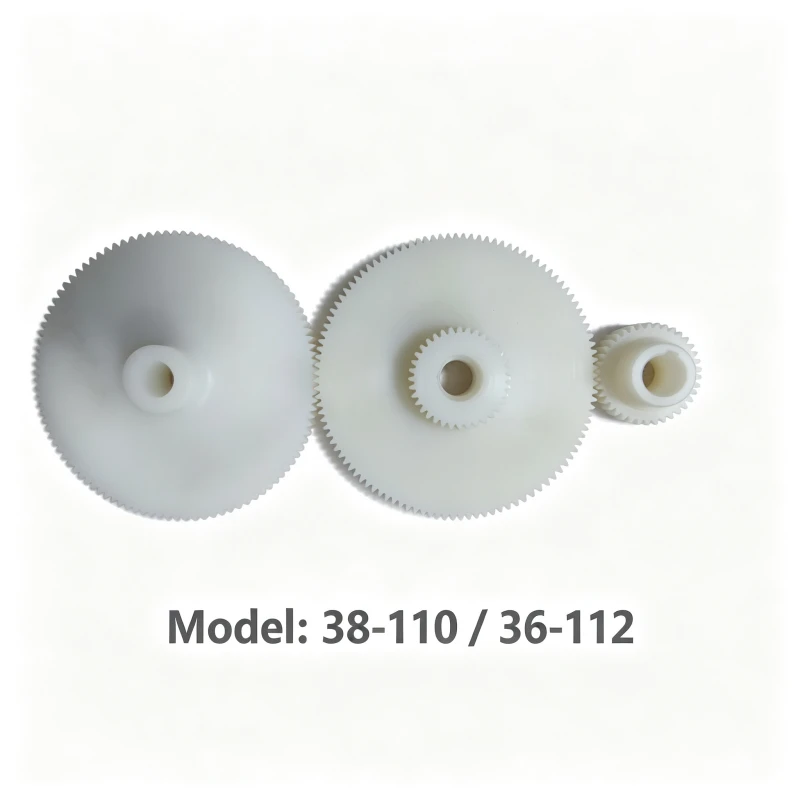
Material is another critical factor, and this is where my team at the parts supplier has invested heavily over the years. Many older wire EDM wheels were made from hardened steel, which is durable but heavy and prone to corrosion. Newer designs often use high-performance plastics, like the ones we manufacture for our EDM plastic gear lines and wheels. Plastic wheels are lighter, which reduces the load on the wire feed motor and other system components, and their smooth surface minimizes wire wear. The material also affects how much tension the wheel can handle; a plastic wheel might have a slightly lower maximum capacity than a steel wheel of the same size, but it offers better consistency over time because it doesn’t warp or develop uneven wear as steel does. That said, even steel wheels have their limits—if you run too many wire layers on a steel wheel, the repeated tension from the wire can cause micro-cracks in the wheel’s surface, leading to premature failure.
Wire type and size are often overlooked when calculating maximum capacity. EDM wire comes in diameters from 0.05mm to 0.3mm, with different materials like brass, coated brass, and tungsten. Thinner wire requires smaller, more precise grooves, so you can fit more layers on a wheel if you’re using 0.05mm wire than if you’re using 0.3mm wire. For example, a wheel that can hold 10 layers of 0.15mm wire might only hold 4 layers of 0.3mm wire. Wire type also matters: coated wires, which have a thicker outer layer for better conductivity, take up more space than bare brass wire, so their maximum capacity is lower. Additionally, spooled wire itself has its own limits; if you’re using a high-tensile strength wire, you might not be able to wind as many layers without exceeding the wheel’s tension limits, even if the grooves could physically fit more.
I want to make this concrete with an example from a recent customer of ours. A mid-sized aerospace machining shop came to us last quarter because they were experiencing frequent wire breaks and poor part quality after upgrading their EDM machine to process larger turbine components. They had been using a standard steel wire arrangement wheel that they’d had for 5 years, loading it with 8 layers of 0.2mm coated brass wire. After testing our precision-machined plastic wire EDM wire arrangement wheel with optimized grooves, we were able to increase their maximum safe capacity to 6 layers. Wait, that’s fewer layers—why did that help? Because their old steel wheel had grooves that were cut too wide, so they were wasting space, and the steel wheel was heavy, causing their wire feed motor to work harder when pulling wire from the outer layers. By switching to our custom grooves, they got better alignment per layer, and the lighter plastic wheel reduced tension fluctuations, so they could run the wire at higher speeds without breaks, even with slightly fewer layers. That’s a key point: maximum capacity isn’t just about the number of layers—it’s about safe, consistent operation, not just packing as much wire as possible.
Another common mistake is not accounting for other EDM system components when calculating wheel capacity. The wire arrangement wheel works in tandem with parts like the wire feed motor, conductive block, and water pump. If your wheel is holding more wire, the feed motor has to work harder to pull that wire off the spool, which can lead to uneven wire tension. We’ve seen customers upgrade their wheels only to have their wire EDM conductive block wear out faster because the higher tension from more layers causes more friction. Similarly, if you’re running more wire layers, you need to ensure your water pump is maintaining proper flow to cool the wire and flush debris from the cutting zone. A poorly performing water pump can cause wire overheating when running at higher speeds, even if your wheel is rated for more layers.
So, what is the practical maximum wire capacity for most standard wire EDM wire arrangement wheels? For a 100mm diameter precision wheel (the most common size for mid-range EDM machines), the typical safe maximum is between 4 and 8 layers, depending on the factors we discussed: wire size, material, groove design, and system compatibility. For larger wheels (150mm and up), that number can go up to 10 or 12 layers for thin wire, though again, only if the rest of your system is matched. The key here is that these numbers are not one-size-fits-all. That’s why at our parts company, we don’t just sell a standard wire EDM wire arrangement wheel—we work with customers to assess their specific machine, wire type, and cutting needs to recommend the right wheel configuration for their maximum safe capacity.
I’ve also had customers ask if they can modify their existing wheel to hold more wire. In most cases, that’s not a good idea. Machining deeper or narrower grooves into an existing wheel can compromise its structural integrity, especially if it’s made of steel, leading to wheel failure mid-job, which can ruin a workpiece and cause costly downtime. It’s almost always better to invest in a properly designed wheel that’s engineered for your application, rather than trying to stretch a wheel beyond its limits.
If you’re looking to optimize your wire EDM setup, whether to increase capacity, reduce downtime, or improve cutting quality, our team has years of experience helping shops of all sizes. We manufacture a full line of EDM parts tailored to work together: from the high-precision wire EDM wire arrangement wheel we discussed, to durable EDM plastic gears that reduce wear, reliable wire feed motors, and conductive blocks that maintain consistent electrical contact. We also work closely with customers to ensure all components are compatible, so you don’t run into the issues I mentioned earlier with mismatched parts.

If you’re tired of unexpected wire breaks, uneven cutting, or downtime caused by overloaded wheels, reach out to our team to discuss your specific needs. We can help you determine the ideal maximum wire capacity for your setup, recommend the right parts, and provide support to get your EDM machine running at peak efficiency.
References:
- “Wire EDM Component Performance: Wheel Design and Wire Capacity,” Journal of Manufacturing Processes, Vol. 42, 2021, pp. 112-120.
- “Materials Selection for EDM Feed Wheels: Wear and Tension Characteristics,” International Journal of Machine Tools and Manufacture, Vol. 58, 2015, pp. 45-52.
- “Optimal Wire Spooling Parameters for Wire EDM Machines,” Proceedings of the International Conference on Electrical Discharge Machining, 2019, pp. 89-94.