


If you’re in the manufacturing space, you probably know parts EDM (electrical discharge machining) is a game-changer for hard materials, tight tolerances, and complex shapes standard machining can’t pull off. But one question pops up nonstop from our clients—new and repeat alike: What’s the thickest part I can run on this process without sacrificing quality, speed, or getting stuck mid-job? As a parts EDM supplier, we’ve worked with everything from 1mm thin medical implants to 1,200mm thick industrial tooling plates, so I’m breaking down the science, the variables, and the real limits here.
First, let’s start with the basics of how parts EDM works, because the thickness rule isn’t one-size-fits-all. Unlike milling or turning that cuts material with a solid tool, parts EDM uses sparks between a thin wire (for wire EDM, the most common type for part machining) or a shaped electrode (for sinker EDM) to erode material. Each spark is tiny—like, 0.001mm to 0.05mm wide—so the process has to get consistent sparks all the way through your part. That means two big things: enough power to jump the gap between tool and part even when the part’s thick, and consistent flushing (washing away the tiny eroded metal bits, called “debris,” that would short out the sparks).
The short answer most folks want is… it depends, but for standard industrial parts EDM setups, the max thickness we regularly process for commercial orders is around 1,500mm (about 60 inches). But that’s not a hard cap—we’ve gone thicker for niche jobs, and some shops run up to 2,000mm, but that comes with tradeoffs. Let’s dig into what actually drives that limit, because ignoring those variables is where projects go sideways.
First up: EDM type. Sinker (or ram) EDM is way better for extra-thick parts than standard wire EDM, and vice versa for small, intricate ones. Sinker EDM uses a solid electrode shaped to match your part, so you can machine extremely deep cavities or thick bulk parts because the electrode’s entire surface is eroding material at once. Wire EDM, on the other hand, uses a 0.1mm to 0.3mm brass or molybdenum wire that moves through the part, so you have to feed the wire all the way through and keep it tensioned correctly over a long path. For wire EDM, the max we do is usually around 1,200mm, with 1,500mm being a stretch that requires specialized wire guides and tension controls. That said, sinker EDM can handle 2,000mm thick parts, but you need a big enough machine with a work tank that can hold that size—we have a couple of those for heavy industrial tooling, like die molds for large stamping parts.
Next, material type. This is huge. A 1,000mm thick aluminum part is way easier to machine than a 1,000mm thick tungsten carbide part. Wait, why? Because debris flushing. Aluminum chips are soft, tiny bits that flush right out of the gap between tool and part. Tungsten carbide, though, is super hard, so the debris is tiny, gritty particles that get stuck in the gap—especially deep in a thick part. If debris builds up, sparks start shorting out, which slows the process, warps the part, or even breaks the tool (wire or electrode). We once had a client bring in a 800mm thick tungsten carbide component; it took us twice as long to machine as an identical-thick steel part because we had to adjust our flushing settings, run a slower power cycle, and even swap in a specialized EDM Filter 350 × 150 × 33 to catch those tiny carbide bits before they recirculated and messed up the spark gap. That link to our filter isn’t random—we stock that exact model for these tough material jobs, because standard filters can’t handle the fine, abrasive debris from thick hard materials.
Then there’s tolerance requirements. If you need a super tight tolerance (say, ±0.005mm for a medical device or aerospace component), your max thickness drops. Why? The longer the distance the wire or electrode has to travel, the more the tool can deflect, vibrate, or wear, which throws off tolerances. For a ±0.01mm tolerance, we’ll cap thickness at 1,000mm, because beyond that, the wire stretches slightly (even with tensioners) or the electrode loses shape on the far side. If the client is okay with a ±0.05mm tolerance for a non-critical industrial part, we can push up to 1,800mm easily. That’s why we always ask for tolerance specs early on—way before we quote a job—because it’s a make-or-break for what’s possible.
Now, what about common misconceptions? Some folks think thicker = way slower, which is mostly true, but not always. If you’re machining a 200mm thick part, it takes maybe 30 minutes. A 1,000mm thick part? That’s not 5x longer—it’s 15–20x longer, because each spark has to erode more material, and flushing takes longer. But for some jobs, the alternative is impossible—you can’t mill tungsten carbide that thick without cracking it, or hold tight tolerances. We had a job last year for a construction equipment company: a 1,200mm thick steel die for road grader blades. They tried CNC milling, but the blade warped 2mm during machining from heat, and the edges were rough. We ran it on wire EDM, held ±0.02mm tolerance, and it only had a 0.1mm heat-affected zone (HAZ)—way better than milling.
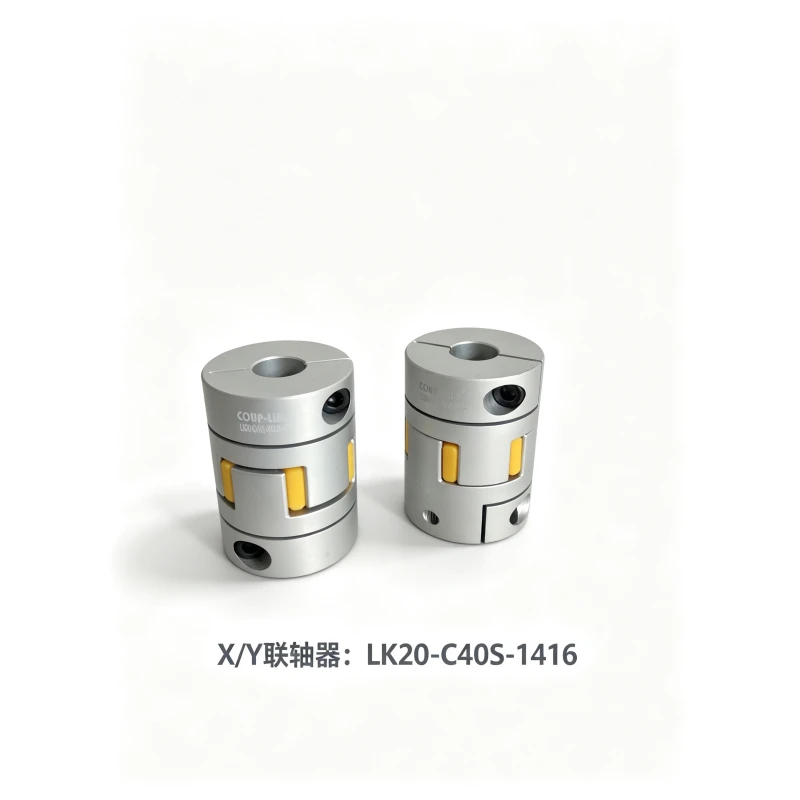
Another big factor: machine capabilities. Not all parts EDM machines are created equal. Entry-level sinker EDMs max out around 500mm thick, while industrial-grade ones have work tanks that go up to 2,500mm. For wire EDM, entry-level machines might only handle 500mm, but high-end ones (like the ones we use for our thick jobs) have extended wire paths, auto-tensioning that adjusts mid-cut, and programmable flushing nozzles that point exactly where debris builds up. That’s also why we have parts like the EDM Plastic Gear Bearing and EDM Fine Adjustment Coupling on hand for machine maintenance—those small parts keep our EDM tools running stable during long cuts, no matter the part thickness. The coupling, for example, lets us adjust the wire’s alignment tiny amounts mid-job to prevent deflection in thick parts, which keeps tolerances consistent.
We also deal with niche cases that push these limits. Last quarter, a aerospace client needed a 1,800mm thick titanium component for a turbine housing. Titanium is tricky because it’s conductive but has high melting point, and its debris is sticky, so it clings to the part. We had to lower the spark energy a bit, run flushing cycles every 30 minutes to clear the gap, and use that same EDM Filter 350 × 150 × 33 to catch the sticky titanium swarf before it got pulled back into the machine. It took 3 days to machine, but the part passed all their inspection tests, and they came back for another two runs. That’s the stuff we’re good at—knowing how to adjust for thickness, not just quote a generic number.
Now, what happens if you try to go over the max thickness without adjusting? Let’s use wire EDM as an example. If you run a 1,500mm thick part on an entry-level machine, you’ll almost certainly break the wire mid-cut. The wire can only handle so much tension, and the longer the path, the more it vibrates, especially if debris builds up and pulls on the wire. We once had a new client test that: they brought in a 1,000mm thick aluminum part, tried to run it on their home shop’s entry-level wire EDM, and broke 12 wires before giving up and coming to us. We used our industrial machine, adjusted the wire tension, and finished it on the first try. Another client tried sinker EDM on a 2,200mm thick part with a 1,000mm machine—their electrode warped, the part had a 5mm tolerance error, and they had to scrap it. So it’s not just a “can it cut it” thing—it’s matching the machine to the job.
Also, don’t forget about post-processing. Thicker parts EDM can have a larger HAZ—thin layer of re-solidified material on the cut surface. For non-critical parts, that’s fine, but if you need the part to be surface-ground or coated, you might have to machine that HAZ off. For very thick parts, the HAZ might be up to 0.5mm, which means you have to account for that in your design. That’s another reason we work with clients early—we’ll tell them, “If you need a 2mm final surface, we’ll leave 2.5mm for EDM and post-processing, because the HAZ will add a little.”
Let’s circle back to the original question: what’s the max thickness for parts EDM, as a supplier? For most standard, run-of-the-mill jobs (steel, aluminum, tolerance ±0.02mm), it’s 1,200mm for wire EDM, 1,500mm for sinker EDM. For special materials (tungsten, titanium, carbide) or tighter tolerances, drop that to 800mm for wire, 1,000mm for sinker. For the absolute thickest we’ve ever done, it was a 2,100mm thick cast iron gear housing for a hydroelectric dam—sinker EDM, 2 weeks of machining, held ±0.1mm tolerance. That’s a one-off, not a regular job, but it proves the cap isn’t just a number—it’s a combination of machine, material, tooling, and process.
Here’s the thing: parts EDM is versatile, but it’s not magic. If you have a part that’s 1,800mm thick, made of tungsten, and needs ±0.005mm tolerance, we’ll tell you it’s probably not possible, or it’ll cost 10x more than a thinner part because of the specialized machine, tools, and time. But if it’s a structural steel part, tolerance ±0.1mm, we can do it. That’s why we don’t just give a one-size-fits-all max thickness—we walk through your specific part with you, adjust our process, and make sure it’s doable.
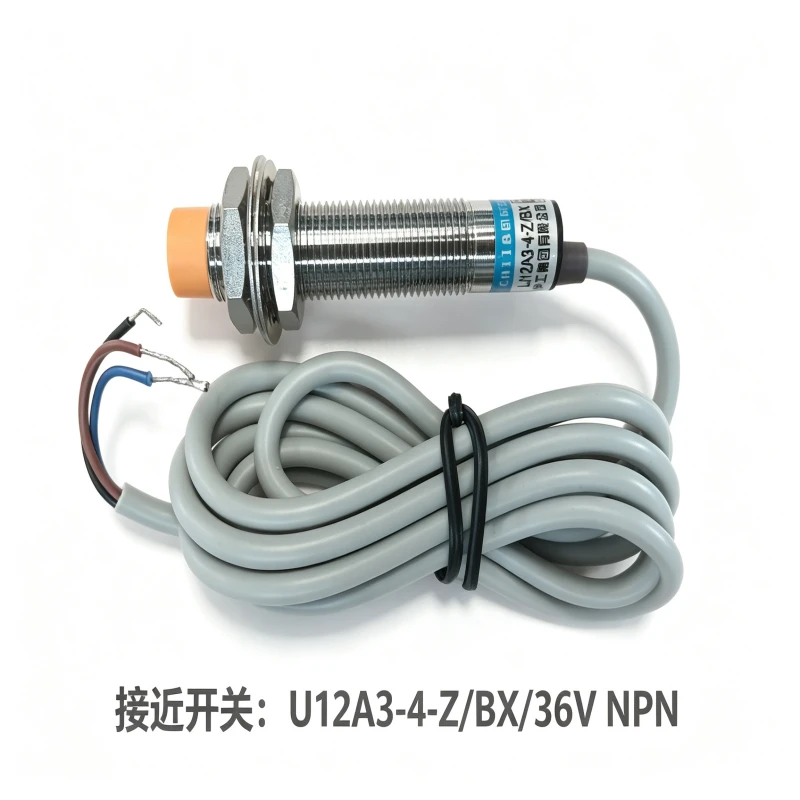
As a supplier, we also stock the tools to support thick-part jobs, not just process them. We have the EDM Proximity Switch that alerts operators if wire tension drops mid-cut (super important for long, thick wire runs that can snap without warning), and the Wire EDM Wire Arrangement Wheel that keeps the wire aligned perfectly during cuts over 1,000mm—misalignment here would throw off tolerances by a lot. Those parts, plus the filter we mentioned earlier, are all part of our setup to handle thick parts without mistakes.
If you’re working on a project and wondering if parts EDM can handle your thick component, don’t guess. Thickness is just one piece of the puzzle—material, tolerance, part complexity, and your timeline all matter. We’ve helped hundreds of clients figure out what’s possible, from prototypes to full production runs.
Got a thick part you need machined, or questions about how we adjust our process for your specs? Reach out to our team to discuss your project and get a customized quote. We’re here to help you make your parts work, no matter the thickness.
References:
- Manufacturing Engineering Society International. (2021). Advances in Electrical Discharge Machining for Hard and Conductive Materials.
- Tool and Manufacturing Engineers Handbook. (2022). Non-Traditional Machining Processes, 6th Edition.
- Industrial EDM Association. (2023). Part Machining Capabilities and Tolerance Guidelines for Wire and Sinker EDM.
- Proceedings of the International Conference on Machining and Materials. (2022). Performance of EDM on Extra-Thick Metallic Components.