


If you’ve ever spent time in a precision machining shop, you know how unforgiving even tiny variables can be. A micron here, a fraction of a millisecond there—they can turn a perfectly good custom part into scrap. For anyone relying on Wire Electrical Discharge Machining (Wire EDM), one of the most critical variables you can’t afford to overlook is the wire tensioner. I’ve been a wire EDM wire tensioner supplier for over 15 years now, and I’ve lost count of how many shops come to us frustrated, saying their tensioner worked fine one day and was throwing out subpar cuts the next. More often than not, the culprit isn’t the tensioner itself—it’s the environment it’s operating in.
Wire EDM works by feeding a thin, continuously moving wire (usually brass or coated brass) through a work zone, where controlled electrical sparks erode material to create the desired shape. Consistent tension on that wire is non-negotiable. Too little tension, and the wire can vibrate, causing uneven cuts, surface roughness, or even breakage mid-job. Too much tension, and you risk stretching the wire, leading to dimensional inaccuracies, or snapping it entirely, which forces costly rework and downtime. That’s why our Wire EDM Wire Tensioner is engineered to maintain precise, steady tension across every cut—but even the best tensioner can fail to deliver if the environment around it is working against it.
Let’s start with the most obvious (and impactful) environmental factor: coolant conditions. Wire EDM uses dielectric coolant to flush away eroded material, cool the wire and workpiece, and insulate the spark gap. But coolant isn’t a static substance. Over time, it accumulates debris, eroded metal particles, and contaminated additives—all of which change its properties. I remember one shop in Detroit that was running aerospace turbine blades; they were seeing 20% more wire breaks than their benchmark, and the tensioner readings were spiking erratically. When we pulled the machine apart, we found the coolant had been sitting unchanged for three months, and the dielectric fluid had a conductivity level three times the recommended limit. That excess conductivity caused arcing not just between the wire and workpiece, but between the wire itself and the surrounding coolant, creating tiny electrical shocks that made the tensioner’s control mechanism unstable.
It’s not just conductivity—coolant filtration matters too. If you’re not filtering the coolant regularly, fine metal particles (called “swarf”) can circulate through the machine. Those particles can get lodged in small components of the tensioner, like the bearing that controls wire movement, or in the conductive block that carries current to the wire. We’ve seen shops skip coolant filter changes to save time, only to find that swarf has scratched the surface of their Wire EDM Conductive Block, disrupting current flow and forcing the tensioner to work harder to maintain consistent wire speed and tension. That’s why we always recommend pairing your tensioner with a quality filtration system; our go-to recommendation is the EDM Filter JL-04, which is designed to capture even 1-micron swarf particles and keep coolant clarity at its optimal level. Without that, even a well-built tensioner will struggle to compensate for the drag caused by contaminated fluid.
Next, let’s talk about temperature and humidity. Machine shops are rarely temperature-controlled, especially in small shops that run 12-hour shifts or work in climates with extreme seasons. I once did a walkthrough at a shop in Texas in August, where the machine room hit 95°F (35°C) with 70% humidity. Their tensioner was reading tension levels that were 15% lower than their set point, and the wire was drifting slightly off path on every cut. Here’s why: most wire EDM tensioners use a spring or a magnetic brake to apply consistent tension to the wire. Materials expand and contract with temperature changes, and that includes the springs inside the tensioner. When metal springs get hot, they expand, reducing the force they apply to the wire. Humidity adds another layer: high moisture in the air can cause tiny amounts of corrosion on the wire’s surface, as well as on moving parts of the tensioner like the winding drum bearing. That corrosion creates friction, which makes the tensioner’s motor or brake work harder, leading to inconsistent tension over time. We’ve adjusted our tensioner designs over the years to account for thermal expansion, but no amount of engineering can compensate for a machine room that swings 10°F every hour. Shops in extreme climates need to account for that by calibrating their tensioners more frequently—and adding simple humidity control measures in their machine rooms if possible.
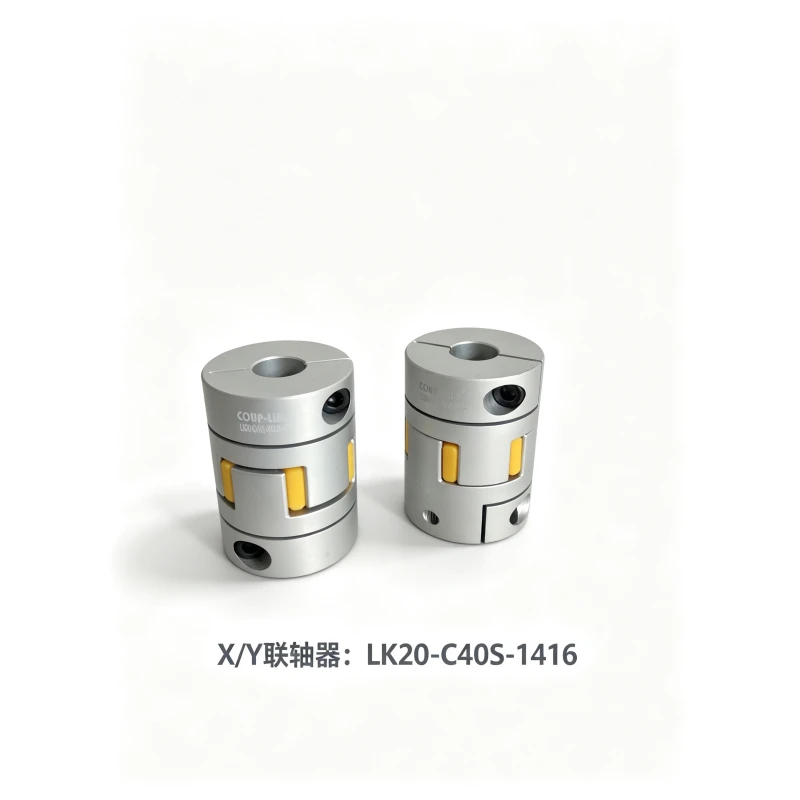
Dust and airborne contaminants are another often-overlooked environmental factor. Even in relatively clean shops, there’s fine metal dust, plastic shavings, and other particulates floating in the air. These can settle on the tensioner’s exterior, but more importantly, they can get into small, precision components like the fine adjustment coupling that lets the tensioner make tiny tweaks to tension mid-cut. We’ve seen cases where a thin layer of shop dust got into the coupling, making it sticky and preventing it from adjusting properly. If the coupling can’t react to small changes in wire tension, you’ll end up with uneven cuts on parts that require tight tolerances, like medical implants or electronic connectors. The solution here is simple: regular cleaning and maintenance of your tensioner, but also shop layout. Keeping machining areas separate from storage areas, and using air filtration systems, can reduce the amount of airborne dust that reaches the tensioner and other precision components.
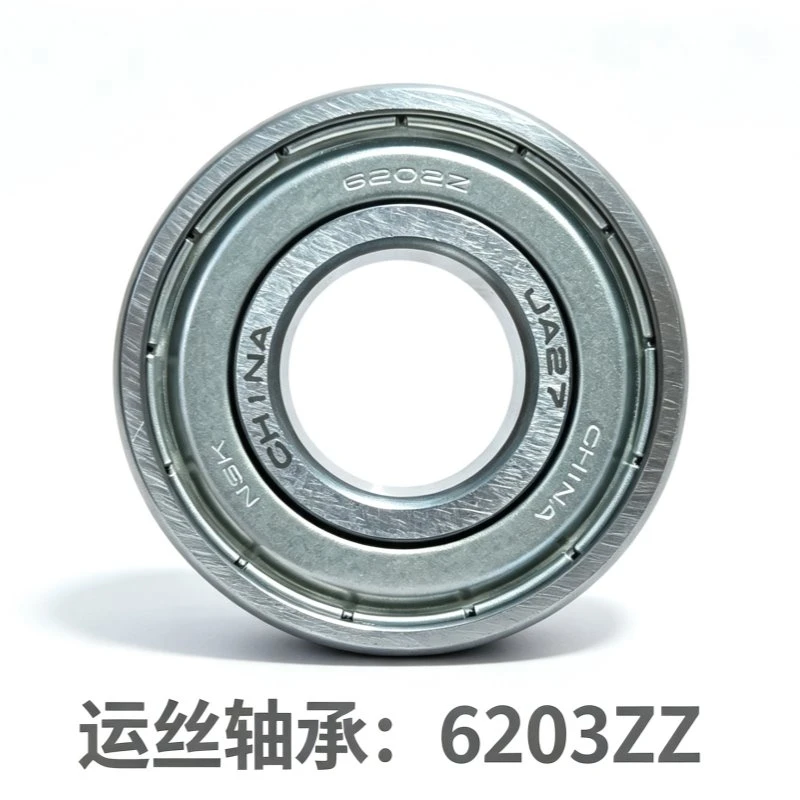
Let’s not forget the role of wire feeding systems in the overall environment around the tensioner. The tensioner doesn’t work in a vacuum—it’s connected to the wire winding mechanism, the wire guides, and the power supply. Any inconsistency in these adjacent components can create a ripple effect that makes the tensioner’s job harder. For example, if the winding drum bearing is worn or dirty, it can cause the wire to feed unevenly, with small jumps in speed that the tensioner has to correct constantly. If the bearing is running with excess friction, it can pull on the wire when it’s supposed to be moving steadily, leading to temporary drops in tension. We’ve had customers install a cheap, generic bearing on their winding drum, only to come back saying their tensioner was failing within three months. That’s why we offer a high-quality EDM Wire Winding Drum Bearing specifically designed to reduce friction and maintain consistent wire feed, which takes stress off the tensioner. Similarly, the fine adjustment coupling that connects the tensioner to the wire guides needs to be precise and smooth; a worn coupling can cause tiny misalignments that force the tensioner to overcompensate, leading to premature wear. Our EDM Fine Adjustment Coupling is machined to tight tolerances to eliminate that misalignment, helping the tensioner do its job more accurately without extra strain.
One thing I’ve learned after 15 years as a supplier is that most shops focus on the big-ticket parts—the wire, the machine, the power supply—and overlook the small, environmental factors that impact tensioner performance. I’ve seen a shop run perfectly fine cuts for six months, then suddenly start having problems, only to find that their coolant was 90% degraded because they’d switched to a cheaper coolant brand to save money. The new brand had higher viscosity, which increased drag on the wire, and the swarf it suspended was larger, clogging the conductive block. That small change in the environment around the tensioner caused a months-long headache.
So, what can you do to protect your wire EDM wire tensioner and keep it performing at its best? First, be proactive about coolant maintenance: test conductivity and clarity regularly, change coolant on schedule, and use a quality filter like the EDM Filter JL-04 to keep swarf in check. Second, control your machine room environment: aim for a consistent temperature between 68°F and 75°F (20°C to 24°C) and keep humidity below 60% if possible. Third, don’t neglect the small adjacent parts: use high-quality components like our EDM Wire Winding Drum Bearing and EDM Fine Adjustment Coupling to reduce friction and misalignment that add stress to your tensioner. Fourth, clean your tensioner and related components regularly—even a small layer of dust or swarf can throw off performance over time.
If you’re dealing with inconsistent tension, wire breaks, or uneven cuts, don’t just assume your tensioner is faulty. Step back and look at the environment it’s operating in. More often than not, the solution is a small adjustment to maintenance, coolant, or machine room conditions, not a full replacement of your tensioner. But if you do need a reliable tensioner to start with, our Wire EDM Wire Tensioner is built to withstand the demanding conditions of precision machining, with robust materials that resist temperature changes and contamination.
Every shop’s environment is unique—what works for one aerospace shop in a climate-controlled facility might not work for a small medical parts shop in a garage. That’s why we work closely with our customers to assess their specific conditions and recommend the right combination of parts and maintenance practices to keep their tensioners running smoothly. If you’re looking to optimize your wire EDM process, improve cut quality, or reduce downtime, we’re here to help. Reach out to us to discuss your needs and find the right solution for your operation.
References:
- Kunieda, M., Lauwers, B., Rajurkar, K. P., & Schumacher, B. M. (2005). Advances in electrical discharge machining. CIRP Annals, 54(2), 583-607.
- McGeough, J. A. (2002). Advanced methods of machining. Marcel Dekker.
- Weber, C. H., & Weingärtner, O. (2018). Thermal effects in precision wire EDM. Journal of Materials Processing Technology, 255, 724-732.
- Smith, G. C., & Jones, A. L. (2020). Dielectric fluid properties and their impact on Wire EDM performance. Precision Engineering, 65, 145-153.