


Vibration resistance is a crucial characteristic when it comes to the performance of Electrical Discharge Machining (EDM) Fine Adjustment Couplings. As a trusted supplier of EDM components, we understand the significance of this feature and its impact on the overall machining process.
Understanding EDM Fine Adjustment Couplings
EDM Fine Adjustment Couplings play a vital role in the EDM system. They are designed to precisely adjust and transmit torque between different components, such as motors and spindles. This fine - tuning capability is essential for achieving high - precision machining results in EDM operations. These couplings are engineered to handle the unique requirements of EDM, where even the slightest misalignment or vibration can lead to significant errors in the machining process.
The Importance of Vibration Resistance
In an EDM environment, vibrations can originate from various sources. The high - speed rotation of spindles, the electrical discharges during the machining process, and external environmental factors can all contribute to the generation of vibrations. If an EDM Fine Adjustment Coupling lacks sufficient vibration resistance, these vibrations can cause several problems.
Firstly, vibrations can lead to inaccurate positioning of the workpiece and the machining tool. In EDM, where tolerances are often extremely tight, even a small deviation due to vibration can result in a part that does not meet the required specifications. This can lead to increased scrap rates and higher production costs.
Secondly, excessive vibrations can cause premature wear and tear on the coupling itself and other connected components. The constant shaking can loosen fasteners, damage bearings, and reduce the overall lifespan of the EDM system. This not only requires more frequent maintenance but also increases the likelihood of unexpected breakdowns, which can disrupt production schedules.
Factors Affecting the Vibration Resistance of EDM Fine Adjustment Couplings
Material Selection
The choice of materials for an EDM Fine Adjustment Coupling has a significant impact on its vibration resistance. High - quality materials with good damping properties are preferred. For example, some couplings are made from special alloys that can absorb and dissipate vibrations effectively. These materials are able to reduce the amplitude of vibrations, preventing them from being transmitted to other parts of the EDM system.
Design Geometry
The design of the coupling also plays a crucial role. Couplings with innovative designs that distribute stress evenly and minimize the effects of vibrations are more vibration - resistant. For instance, some couplings have a flexible element incorporated into their design. This flexible element can act as a shock absorber, reducing the impact of vibrations on the coupling and the connected components.
Manufacturing Precision
The precision of the manufacturing process is another key factor. A coupling that is manufactured with high precision will have a better fit and alignment with other components. This reduces the chances of vibrations being generated due to misalignment. Advanced manufacturing techniques, such as CNC machining, ensure that the coupling dimensions are accurate and consistent, contributing to its vibration resistance.
Testing the Vibration Resistance of EDM Fine Adjustment Couplings
To ensure the reliability and vibration resistance of our EDM Fine Adjustment Couplings, we conduct a series of rigorous tests. We use advanced vibration testing equipment to simulate the real - world operating conditions of EDM systems. During these tests, the coupling is subjected to various levels of vibrations, and its performance is closely monitored.
We measure parameters such as the amplitude of vibrations transmitted through the coupling, the frequency response, and the durability of the coupling under vibrating conditions. Based on the test results, we can make necessary adjustments to our manufacturing processes and material selections to improve the vibration resistance of our couplings.
Complementary EDM Components
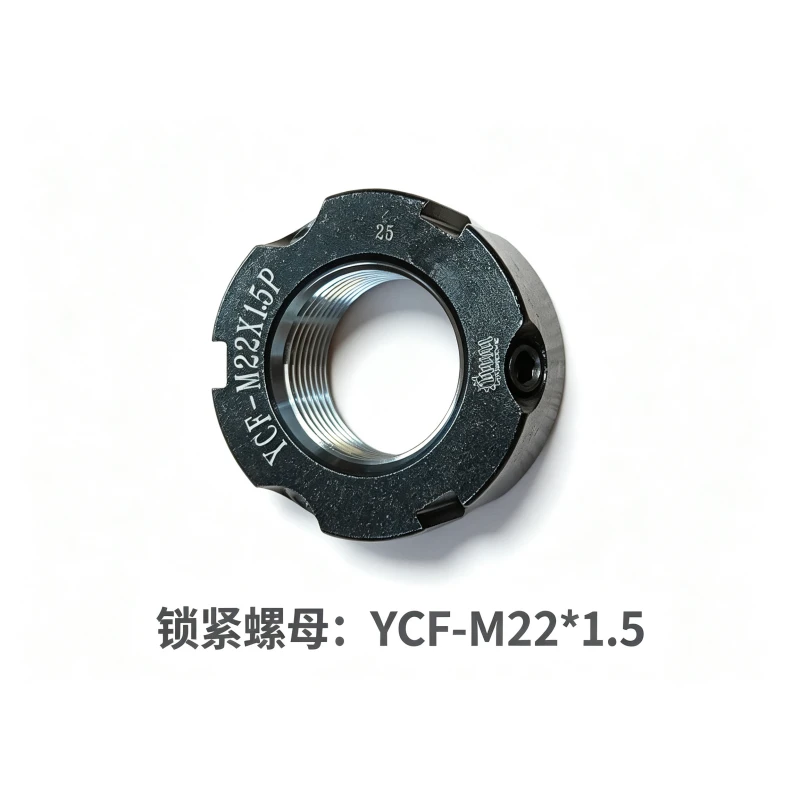
In addition to EDM Fine Adjustment Couplings, we also offer a range of complementary EDM components that work together to enhance the overall performance of the EDM system. For example, our Wire Drum Coupling for EDM is designed to ensure smooth and precise wire feeding in wire EDM machines. The EDM Locking Nut provides a secure locking mechanism, preventing any unwanted movement that could be exacerbated by vibrations.
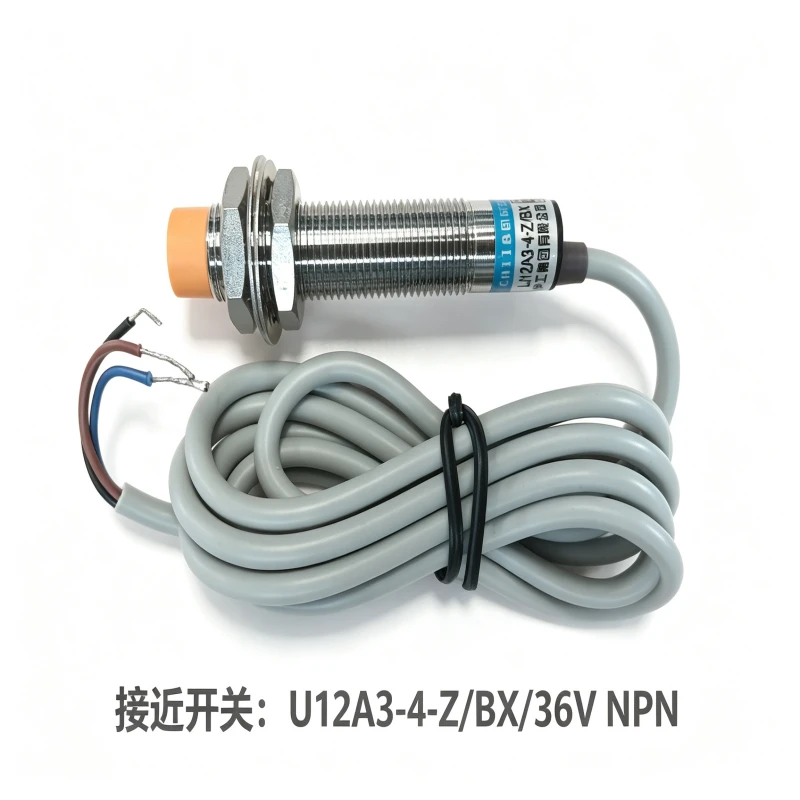
Our EDM Proximity Switch is a critical component for detecting the position of the workpiece accurately, even in a vibrating environment. The EDM Plastic Gear offers low - noise operation and good resistance to wear, which is beneficial in reducing the generation of vibrations. And the Wire EDM Wire Tensioner helps to maintain a constant tension in the wire, minimizing vibrations caused by wire slack.
Conclusion and Call to Action
The vibration resistance of EDM Fine Adjustment Couplings is of utmost importance for the success of EDM operations. Our company is committed to providing high - quality couplings and other EDM components that offer excellent vibration resistance. By choosing our products, you can achieve higher precision in your machining processes, reduce maintenance costs, and improve the overall efficiency of your EDM system.
If you are interested in learning more about our EDM Fine Adjustment Couplings or other EDM components, or if you have any specific requirements for your EDM system, we encourage you to contact us for a procurement discussion. We have a team of experienced professionals who can provide you with detailed product information and technical support.
References
- Metallurgy and Materials Science textbooks for information on material properties related to vibration damping.
- Research papers on EDM technology and the impact of vibrations on machining accuracy.
- Industry standards and guidelines for EDM component design and performance testing.